
The Future Trends in Digital Marketing: Dominate Bangalore in 2025
Forecasting the future trends in digital marketing is challenging, but anticipating the shifts that will redefine marketing can be a game-changer for today’s marketers. Digital marketing trends shift overnight, prompting marketers to reframe and tweak strategies to meet the predefined success goals. So much so is the level of competition that even Bangalore, India’s hotspot for digital transformation, makes it imperative for businesses to leverage cutting-edge digital marketing strategies. Whether you’re a startup, an established brand, or a digital marketing services company, understanding and implementing future trends can help you dominate Bangalore’s competitive market in 2025. Top 10 Future Trends in Digital Marketing 1. AI-Powered Digital Marketing Strategies: Artificial Intelligence (AI) is revolutionizing digital marketing’s future. Marketers are utilising AI-powered tools that can analyze vast amounts of data, to craft highly personalized experiences. Plus, Machine learning algorithms help predict consumer behavior, optimizing campaigns in real-time for better engagement and conversions. The Best Digital Marketing Agency in India like BeyonBrandsMedia leverages AI-driven insights to refine customer targeting, automate responses, and enhance the efficiency of advertising strategy. It’s just a matter of time, Chatbots, predictive analytics, and AI-powered content generation will become standard practices in 2025. 2. Voice Search Optimization: With the rise of smart assistants like Alexa, Google Assistant, and Siri, voice search is becoming a game-changer. By 2025, a significant portion of searches will be voice-based, making it essential for businesses to optimize content accordingly with long-tail keywords and phrases. To help your business match the trend, only a top-tier digital marketing services company in Bangalore can help by optimizing content for conversational queries and natural language processing (NLP) to ensure higher rankings on search engines. Implementing long-tail keywords and question-based content will be crucial for capturing voice search traffic. 3. Dominance of Video Marketing & Short-Form Content: Video content continues to be one of the most engaging formats in digital marketing. Platforms like YouTube Shorts, Instagram Reels, and TikTok have proven that short-form videos drive high engagement and brand awareness. Plus the latest integration of AI tools Veo for YouTube shorts will further heighten the dominance. In 2025, businesses will need to prioritize video marketing as a crucial part of their digital marketing strategies. Live streaming, interactive videos, and personalized video content will play a crucial role in audience engagement. Brands that effectively integrate video marketing into their advertising strategy will see significant returns on investment. 4. Hyper-Personalization in Marketing Campaigns: Consumers in 2025 will expect tailored experiences that align with their preferences and behaviors. Personalization goes beyond using a customer’s name in an email; it involves curating content, recommendations, and offers based on real-time data. Modern Digital marketing services companies will leverage AI, big data, and predictive analytics to deliver hyper-personalized marketing campaigns. From email marketing to social media ads, businesses that adopt personalized marketing strategies will create deeper customer connections and drive higher conversions. 5. The Rise of Influencer & Micro-Influencer Marketing: Influencer marketing has been a game-changer in shaping digital marketing’s future. However, the focus is shifting towards micro-influencers who have a more engaged and niche audience. In Bangalore, brands collaborating with local influencers will gain authenticity and credibility. Partnering with the Best Digital Marketing Agency in India ensures key influencers are aligned with specific brand values, and genuine promotions. Leveraging micro influencers for product launches, brand advocacy, and customer engagement will be a crucial advertising strategy in 2025. 6. Data Privacy & Cookieless Advertising: As digital marketing advances, data privacy regulations are becoming stricter. With Google phasing out third-party cookies by 2025, businesses must find alternative ways to target audiences without invasive tracking methods. A credible advertising strategy will involve leveraging first-party data, contextual targeting, and AI-driven analytics. Transparent data collection practices and ethical marketing will be essential for building trust with consumers. Businesses that prioritize data security and compliance will have a competitive edge in Bangalore’s digital ecosystem. 7. Augmented Reality (AR) & Virtual Reality (VR) in Marketing: AR and VR technologies are reshaping consumer experiences, making digital interactions more immersive. From virtual store walkthroughs to interactive product demos, these technologies are setting the stage for innovative digital marketing strategies in 2025. A leading digital marketing services company will incorporate AR and VR into campaigns, allowing customers to experience products and services before making a purchase. Real estate, fashion, and e-commerce brands are already reaping the AR-powered marketing experiences. 8. The Expansion of Programmatic Advertising: Programmatic advertising is revolutionizing ad placements by using AI to automate the buying process. By 2025, this technology will be at the forefront of digital marketing strategies, ensuring precise targeting and cost-effective ad campaigns. Brands working with the Best Digital Marketing Agency in India will benefit from AI-driven ad placements, ensuring the right audience sees the right message at the right time. This approach maximizes ad spend efficiency while boosting engagement rates. 9. Interactive & Gamified Content: Consumers crave engagement, and interactive content is becoming a powerful tool for brand interactions. Polls, quizzes, shoppable posts, and gamified experiences will dominate digital marketing’s future. Businesses that integrate interactive content into their advertising strategy will see higher user participation, increased retention rates, and improved customer loyalty. A digital marketing services company that specializes in gamified marketing campaigns will have a distinct advantage in the competitive Bangalore market. 10. Sustainability & Ethical Marketing: With rising environmental awareness, consumers are gravitating towards brands that prioritize sustainability and social responsibility. Digital marketing strategies in 2025 will highlight eco-friendly practices, corporate social responsibility (CSR), and ethical sourcing. Brands that authentically align with sustainability values and incorporate them into their advertising strategy will attract conscious consumers. The Best Digital Marketing Agency in India will focus on transparent messaging and purpose-driven marketing campaigns. Conclusion: Bangalore’s digital landscape is dynamic and fast-paced, requiring businesses to adapt to emerging trends to maintain a competitive edge. Whether it’s AI-driven marketing, video content, voice search optimization, or ethical branding, the future of digital marketing in 2025 is centered around innovation, personalization, and consumer trust. Partnering
Rebranding in 2025: How to Reestablish Your Target Market?
Change is the only constant when you are in a digital world, and brands are no exception here. When the world is advancing at a breakneck pace, why will the brands lag behind? Well, if you find your brand to be encountering numerous challenges to connect with the audience, it’s time to opt for rebranding. Generally, most of the brands allocate 5 to 10% of funds for rebranding, while the rest of the others fail to recognize the exact need for indulging in rebranding endeavors. Gone are those days when business was all about a “one size fits all” approach, rather it goes beyond that. Rebranding in 2025 is all about making use of the tried and tested methods to yield the desired results. The reasons for rebranding tend to differ from one brand to another. Imagine you have been running a brick-and-mortar setup for a long time, and it has started to reveal clear signs of wear and tear. Here is why a brand needs updating to keep pace with the outside world. Rebranding is more like revamping the brand strategy to improve the reputation of it. Let’s begin with this blog of Beyond Brands Media, an eminent branding agency in Bangalore, to get the pulse of rebranding in this new year. Top Trends of Rebranding in 2025 In 2025, the notion of branding has changed completely as altering the mere logo is not at all rebranding, but it entails many more things. Here we are going to present some of the top trends to help you in identifying your rebranding goals. Strategic branding endeavors to oust racial stereotypes: The importance of eliminating racial stereotypes in branding has become more pressing than ever. Rebranding efforts are now focused on creating inclusive and respectful brand identities that celebrate diversity and promote racial justice. Nowadays, famous brands are rethinking their branding endeavors to stay ahead and to rise over the underlying issues. Recently, Land O Lakes, the renowned agricultural brand in the US, has strategically obliterated the native women from packaging despite her long association with it. However, the public surmised that it may be a conscious rebranding strategy to get rid of the racial and social stigma. Incorporating sustainability: In 2025, almost all of us are inclined towards an eco-conscious existence and brands all over the world are redefining their brand identities to emphasize environmental responsibility, aligning their messaging with sustainable values. Updating logos, packaging, and marketing materials to reflect eco-friendly practices and materials. For instance, the champion of sustainable fashion, Patagonia uses eco-friendly materials and promotes environmental activism through its branding. Such efforts are not at all aimed at brand development, but also they are enunciating the need for brand rebuilding based on market factors. Restoring reputation: Rebranding is often used as a strategic tool to restore a company’s reputation, especially after a crisis or negative public perception. Rebranding helps businesses shed bad connotations and convey a new story, whether it’s a damaged reputation or an outdated brand image. This process allows companies to distance themselves from past mistakes and present a fresh narrative. For instance, brands like Old Spice transformed their image from being seen as old-fashioned to vibrant and youthful. By targeting a broader audience, particularly women who make most body wash purchases, Old Spice successfully repositioned itself in the market. On the other hand, the shift of GoDaddy from a geeky image to a professional approach is another instance of rectifying the brand positioning via a rebranding process. Mission first branding: Just imagine you are doing something without any purpose. Isn’t it completely meaningless? Absolutely it is and that is why purpose-driven business practices are extremely important. Mission first branding in reality stands for purpose-driven branding. For instance, TOM’s commitment to offering shoes to children from underprivileged sections of society reflects their purpose or mission of altruism. In the context of rebranding, introducing alterations in brand image or message, the brands can continue to establish their new purpose and set themselves apart from the rest of the others in the market. Tips To Re-establish Your Target Market In 2025 The target market of a brand is more like a territory and there remain several other competitors who are constantly putting their efforts to secure their place and sustain in this process. So, to emerge as the best among the others, all you need to do is feature your brand in a new way that catches the attention of the target audience. If you are thinking about rebranding your business to revamp its identity, here are some of the tips from marketing experts to do it with ease. Capitalizing the negative reviews: Who doesn’t like the five-star rating? Definitely everyone. But it in reality gives rise to a sense of confusion in the minds of customers or users, and they will even begin to suspect the credibility aspect. That is why along with the positive reviews, the negative ones are also extremely vital. So, whenever you are opting for rebranding, never forget to flaunt the negative reviews as well on the website as well as constructive criticism. In turn, it will continue to boost the chances of increasing brand recognition. Prioritize different forms of content: Branding is not limited to changing the logo or giving a new makeover to the website, but it is more than that. Rebranding takes into account the whole thing and due to this reason, to strengthen the SEO game and to open up the path for organic traffic, focus on introducing new forms of content other than blogs. For instance, you can put more emphasis on questions and answers via Quora and Reddit-like content to make this part more interactive. Create new brand assets: In the new year, your business deserves a new look and with new brand assets, you can improve brand recognition. From strategic selection of typography to restructuring the brand message and conveying it via social media marketing strategies, a branding agency can do it all for
Short-Form Video: The Secret to Social Media Success

Have you ever thought about what makes you stop while scrolling through social media feeds? The answer is quite simple: it’s short-form videos that capture the attention of the viewers and keep them engaged all throughout. The short-form video content is the secret sauce to success in social media, and these videos are usually the ones under 60 seconds. Whether you are a millennial or Gen Z, you won’t have that much patience to watch a long-format video online. That is why the short video content always comes in handy. Still in doubt as to why the modern-age viewers or social media users are settling for the short-form videos? It’s entirely due to our busy lifestyle and less time on our hands that we are absolutely unable to capture the interest of the audience and keep them hooked. From Instagram Reels to YouTube shorts, the preponderance of these mediums is entirely due to their ability to impart significant knowledge within a short time span. Ready to skyrocket the sales of your brand via social media? Here we are with this blog to dive into the nitty-gritty aspects of short-form videos that lead to quick success. What is a Short-form Video? Gone are those days of wasting time watching long videos when their short counterparts can serve the actual purpose without consuming a lot of time. Short-form video refers to brief video content, typically lasting from a few seconds to around three minutes. This format is designed for quick consumption, catering to modern audiences with shorter attention spans—averaging about 8 seconds. Common platforms for short-form videos include TikTok, Instagram Reels, YouTube Shorts, and Snapchat Stories, which facilitate easy sharing and engagement. The most intriguing aspect of the short-form content is that it conveys the right message without leaving the viewers bored, and it leaves an indelible impact. Once you are done acquainting yourself with short-form videos, it’s time to move on to the reasons that make them compelling. Popularity of Short-form Videos Presently, short videos are reigning over the hearts of viewers all over the world. There are so many reasons why these videos are garnering praise and popularity in comparison to the long ones. Let’s take a look below. Decreasing Attention Spans: The average human attention span has dropped to about 8.25 seconds, making quick, easily digestible content more appealing. Short videos align perfectly with this trend, allowing viewers to consume information rapidly without losing focus. Instant Gratification: Short-form videos provide immediate satisfaction, akin to quick snacks for the mind. This rapid consumption triggers dopamine releases, creating an addictive cycle that keeps users engaged and encourages them to watch more. Accessibility and Shareability: These videos are easy to create and share across platforms, making them accessible on various devices. Their brevity allows viewers to watch them during brief moments of downtime, such as commuting or waiting in line. Social Media Algorithms: Platforms like TikTok and Instagram prioritize short content in their algorithms, promoting videos that engage users effectively. This enhances discoverability and increases the likelihood of content going viral. Cost-Effective Production: Creating short videos requires minimal resources—often just a smartphone and creativity—making it easier for new creators to enter the space. Engagement and Retention: Short videos tend to have higher engagement rates, with viewers more likely to watch them in full compared to longer formats. This leads to increased viewer retention and repeat views. Diverse Content Offerings: The variety of content available in short-form videos—from memes to tutorials—keeps the viewing experience fresh and exciting, appealing to a broad audience. Why Does Short-form Video Work? In this digital era, when you are on social media, you must remember that you need to engage your audience by weaponizing storytelling techniques. In the social media landscape, short-form videos are not a fleeting trend, but they go beyond that. Have you ever wondered how these short videos made their way into our lives and social media? No, it was not at all an overnight occurrence; rather, TikTok videos brought the concept of short clippings. Although it started with viral dance videos or online challenges, later on, eminent brands adopted this format of content for storytelling purposes. Here with us, BeyondBrands Media, a leading branding agency in Bangalore, dive into the details of how short-form videos work and how they leave an impact on the viewers. Brands are always in dire need of communicating with their huge audience base, and that is why short videos come in handy in imparting essential knowledge in a fun way without consuming a huge deal of time. In addition to that, on social media platforms like Meta, YouTube, and Instagram, there are specific video tools available, which help the brands to present their offerings in a short format effortlessly. The short-form videos on social media platforms are also beneficial because they allow us to gauge the success of the content through analytical tools. Digital storytelling is of paramount importance to boost branding endeavors, and short-form videos help in articulating the sentiments and emotions associated with the brand. As per recent statistics, 80% of the Facebook stories that have attached audio or voice in them tend to drive better ROI in comparison to the normal ones. 91% of viewers prefer to invest their time in watching short videos on Instagram over other forms of content. These statistical details in reality highlight the growing significance of videos and, at the same time, encourage the brands to embrace this form of content for best outputs. Tips to Craft Catchy Short-form Videos Crafting catchy short-form videos requires a blend of creativity, strategy, and an understanding of audience engagement. Here are some essential tips to elevate your video content with ease. Start with a Hook: The first few seconds are crucial. Use bold statements, intriguing visuals, or surprising facts to grab viewers’ attention immediately. Aim to create an opening that compels them to keep watching. Keep It Short and Relevant: Aim for videos under 60 seconds. This length is effective as it retains
How Does Visual Branding Impact Online and Offline Customer Engagement?

What takes a business to make an unforgettable impact at first glance? A lot goes in, but nothing beats visual branding in capturing and maintaining customer attention. Whether you are a startup or an established business, the way your brand looks can significantly influence how customers perceive and interact with you. The competition is high and partnering with a credible branding agency in Bangalore is your masterstroke to craft compelling visual identities that instantly connect with your audiences. Let’s dive deep into the importance of branding and how visual elements impact customer engagement. The Importance of Visual Branding Visual branding isn’t just about having a good-looking logo or website—it’s about creating a cohesive brand identity that communicates your values, mission, and personality. Studies show that consistent branding across all platforms increases revenue by up to 23%. This consistency helps build trust and recognition, making it easier for customers to remember and engage with your brand. How Visual Branding Affects Online Customer Engagement? Visual branding is everything to make the first impactful online impression. A well-articulated and strategically placed visual branding determines both the success and failure of a brand. a) Brand Recognition and Recall: A well-designed visual identity, including your logo, color scheme, typography, and imagery, makes your brand easily recognizable. For example, think of brands like Coca-Cola or Apple—their logos and colors are instantly identifiable worldwide. Branded visuals help customers recall your brand quickly, making them more likely to engage with your online content. b) Social Media Presence: On platforms like Instagram, Facebook, and LinkedIn, visuals are everything. Posts with visually appealing images receive 650% higher engagement than text-only posts. Incorporating a strong visual language of a brand into your social media strategy ensures that your audience instantly connects with your content, increasing likes, shares, and comments. c) Website and User Experience: A visually cohesive website enhances user experience. It keeps visitors on your page longer and reduces bounce rates. So, connect with a branding agency in Bangalore that can help you develop a site that clearly reflects your brand message through striking graphics and smooth navigation. This not only drives traffic but also enhances your audiences’ retention rate. The Role of Visual Branding in Offline Customer Engagement: a) Packaging and Product Design: In the physical world, packaging is often the first point of contact between your brand and potential customers. This is when eye-catching designs and unique packaging come into play, influencing purchasing decisions. For example, 72% of consumers say that packaging design influences their buying decisions. b) In-Store Experience: Retail environments that reflect a brand’s visual identity create memorable experiences for customers. Elements like store layout, signage, and even employee uniforms contribute to a cohesive brand experience that encourages repeat visits. c) Print Marketing Materials: Brochures, business cards, and other print materials are still powerful tools for offline marketing. Consistent use of your brand identity across these materials reinforces your brand’s message and encourages engagement. Key Components of Effective Visual Branding The roadmap to successful visual branding works through a series of key components. This stepwise approach is the key to ensuring the success of the strategic blueprint. a) Brand Identity: Your brand identity is the visual representation of your brand’s values and mission. This includes your logo, color palette, typography, and imagery. A strong identity differentiates you from competitors and builds emotional connections with your audience. b) Brand Positioning: How you position your brand in the market affects how customers perceive you. Visual branding should align with your brand positioning to convey the right message. For example, luxury brands often use minimalistic designs with high-end finishes to communicate exclusivity. c) Brand Communication: Visual branding is a critical part of brand communication. It ensures that your message is not only heard but seen and felt. Whether it’s through social media graphics, advertisements, or packaging, visual elements play a crucial role in how your brand communicates with its audience. Real-World Examples of Successful Visual Branding Nike: The iconic swoosh logo and “Just Do It” slogan are examples of powerful visual branding that resonates across the globe. Their consistent visual strategy across all platforms has made them a household name. Zomato: This Bangalore-based brand uses quirky, bold visuals and engaging content to connect with its audience, both online and offline. Their red and white color scheme is instantly recognizable and not miss their ‘loving and caring’ texts like notifications, which sets them apart from the rest. Partnering with a Branding Agency in Bangalore Do you want your business to shine as a brand amidst the swift shift in overnight trends? It’s time to elevate your visual branding by collaborating with a professional branding agency in Bangalore to make a difference. We at BeyondBrands Media, specialize in creating tailored brand strategies that align with your business goals, ensuring a cohesive visual identity that drives customer engagement both online and offline. Conclusion: Visual branding is more than just aesthetics—it’s a strategic investment that influences how customers perceive and engage with your brand. From enhancing online interactions to creating memorable offline experiences, effective visual branding is key to building strong customer relationships. Investing in a robust brand strategy and collaborating with experts can significantly impact your business’s success in today’s dynamic marketplace. By focusing on cohesive brand communication, distinctive brand positioning, and a strong visual language of a brand, businesses can ensure they stand out in a crowded market and foster meaningful connections with their audience.
Ways of Building A Personal Brand on Instagram: A Comprehensive Guide
As we step into 2025, content is the new currency, and social media platforms everywhere are giving impetus to this practice. In this new year, Instagram is going to capture all the spotlight in comparison to the other famous ones like Meta. When it comes to creating a buzz among this tech-savvy generation, all you need to do is embrace Instagram. Whether you’re an aspiring influencer, a creative entrepreneur, or just someone who wants to share their unique vibe with the world, Instagram is the perfect platform to showcase you. For all the influencers and business agencies that are resorting towards personal branding on Instagram, this is the right place to acquire innovative insights and apply them accordingly. Let’s start. Top Ways of Creating a Personal Brand on Instagram: In this digital age, having a strong personal brand is more important than ever. It’s not just about posting pretty pictures; it’s about crafting an identity that resonates with your audience, builds trust, and creates lasting connections. Forget settling for the average ways and explore some more actionable ideas to build your own brand in an innovative manner. Get set and ready to unleash the exciting world of Future social media marketing via trendy Instagram branding. Discover Your ‘Why’: Instagram is not about posting and ghosting. You must make it clear why you are willing to create your own brand and how it will connect with the pertinent audience out there. To reach the core area of content creation, you must come up with a purpose behind it. To simplify this process, we suggest to jot down 3 to 5 words. Here always choose the words wisely that embody your essence and shape your thoughts properly. Remember, these words will have an impact on the audience. Identify Your Niche and Own It: In the vast ocean of Instagram, finding your niche is like discovering a hidden treasure. A niche allows you to focus on a specific area where you can provide value and establish yourself as an authority. The best way is to conduct thorough research on what the areas are that light you up or with whom you are willing to connect. Don’t hesitate to reflect your passion through your content to woo your audience in the first go. Craft an Irresistible Bio: First impressions are the best impressions, and with an irresistible bio, you can nail it. In social media channels, a catchy bio acts as a hook and immediately captures the attention of the audience. A well-crafted bio should be concise yet informative. Still confused about how to make it? Worry not and follow our tips. Begin with a clear introduction. State the value that you would like to provide via your content. Add a call to action for direct interaction. Create a Stunning Visual Aesthetic: Instagram is a visual platform, so let’s make sure your feed looks as fabulous as you are! A cohesive aesthetic helps people recognize your brand instantly and creates a pleasing experience for visitors. To kick off a creative journey ahead through personal branding, select 3 to 5 colors that reflect the brand identity in a better way. Consistently use these colors in your posts for a unified look. Secondly, pick one or two filters to add a classy touch to the photos. You can even team up with a branding agency for creative visuals. Post Content That Inspires and Educates: Who cares about random selfies and your daily life? Definitely, none, and that is why focus on creating posts that can deliver real value. For instance, if you are into fitness, share some quick fitness hacks with your audience. Or else, being a travel blogger, you can share your travel experiences, reviews of the locations, and so on for the best experience ever. Instead of a huge video, go for a short and crisp reel with trendy music in it. This social media strategy will definitely stand out and be your weapon to conquer the online world with ease. Engage Like You Mean It: Instagram is all about community, so be a little bit interactive to maintain that authenticity with followers. Make it a habit to reply to comments on your posts and DMs in a timely manner—this shows followers that you value their input. Spend time liking and commenting on posts from accounts in your niche—this increases visibility and encourages reciprocity. Lastly, in every post, ask the opinion of the audience so that they can further continue the conversation with you and others. Spend some time on Instagram strategically and see the difference that it makes. Collaborate With Like-Minded Ones: ‘Teamwork makes the dream work,’ and it goes for social media as well. Making online successful is not at all a cakewalk, and due to this reason, collaborate with fellow creators, especially with the ones in your niche who can launch exciting projects, such as joint live sessions or shoutouts. To grab the big opportunities, you can opt to participate in the giveaways with brands or other creators. Collaborations expose you to new audiences while strengthening relationships within your community. Weaponise the Social Media Hashtags: Social media hashtags are a powerful tool for enhancing visibility on Instagram in an organic manner. To implement this strategy, use popular hashtags or find niche-specific ones. With the assistance of branding agencies, you can get hold of the most used hashtags and the ones that competitors use the most. Instagram allows up to 30 hashtags per post—but focuses on quality over quantity. Track Your Progress and Refine the Strategies: Building your own brand is not at all about bombarding content in Instagram profiles, but it is more than that. In addition to that, you need to always analyze what works best for you. Or else, based on the outputs you can alter the content plan or tweak them as per current trends. So, be careful about the metrics like rate of engagement, growth of followers, and reach or impression in each post. Follow a
A Definition and Guide to Brand Strategy
A Business doesn’t become a brand overnight. It requires strategy, a solid brand strategy to stay relevant. Business is not only about churning revenue, it’s about making an impression in the market and most importantly among your audiences. The current market is highly competitive for businesses to create a lasting impression yet brimming with opportunities for the one with the right brand strategy that future-proof your business. If driving ROI from your business strategy feels like a challenge, we’ve got your back. This guide is tailored for visionaries aiming to transform their business into an overnight success in the fast-paced world of commerce. Let’s uncover the secret recipe to branding with the best branding agency in Bangalore. Brand Strategy: In a Nutshell Every business out there doesn’t flourish doing guesswork. If you want to make your business a brand that people immediately notice and talk about even after a decade you need a strategy to achieve that level of retention. To simply define, a brand strategy is a tailored success route for your business. This long-term roadmap is curated by experienced brand strategists who recommend plans and strategies for your business that complement its market image, vision, and mission, and of course, keep your revenue game on point. Why is Brand Strategy Important? Want your business to shine as a powerhouse brand? Of course, you do, and that’s why brand strategy is inevitable. If you are still not convinced, let us share some more power pointers as to why you need a strategy right now. Your business gains a compelling identity Drives brand value Attract and retain target audiences Fosters customer loyalty Market-proof your business Attracts talent Keep contractors and agencies aligned Remember, a business without a brand strategy equals a car without wheels- aimless and worthless. Essential Elements of Brand Strategy Marketing: Developing a robust brand strategy is essential for business success. Here are eight key elements to consider: Purpose: Define your brand’s core mission and values to outshine your competitors and connect with your audience on a deeper level. Having a purpose keeps your brand connected. Consistency: Maintain uniform messaging and visual identity across all platforms to empower brand image and trust among consumers. Emotion: Establish an emotional connection with your audience. It fosters brand loyalty, making your brand shine through thick and thin. Flexibility: Adapt to survive and shine in the competitive business landscape. Syncing with the market changes and consumer trends while maintaining brand integrity to stay relevant and competitive. Employee Involvement: Engage employees as brand ambassadors to ensure authentic representation and consistent customer experiences. Some result-driven branding initiatives include gifting onboarding kits to new employees. Loyalty: Cultivate customer loyalty through exceptional experiences and rewards. This supports organic business expansion through word-of-mouth referrals. Competitive Awareness: Monitor your competitors to identify market opportunities and refine your brand strategy accordingly to drive more value to your brand. Clear Brand Identity: Develop a distinct brand identity, including logo, color scheme, and messaging. This fosters distinct recognition and conveys your brand’s essence effectively. Implementing these elements can help build a powerful and enduring brand. Are you seeking expert guidance to create a result-driven brand strategy? Connect with BeyondBrands Media today. A Quick Guide to 5 Methods of Branding to Make the Difference: Attitude branding: Think of attitude branding as crafting a mood or emotion around your brand—it’s not about showcasing features but about how your brand resonates with your audience. Nike nails this with ‘Just Do It.’ They don’t market shoes alone; they inspire the grit, passion, and determination every athlete carries within. 2. Individual Branding: This approach allows different products or services within a larger organization to stand out with their unique brand identities. For example, Unilever’s portfolio includes brands like Dove, Axe, and Lipton, each carving out its own space in the market. 3. Product Branding: Building a distinct identity for a product involves thoughtful choices like its logo, name, color scheme, and design. It’s what makes the product memorable and differentiates it from others in the market. Apple does this seamlessly with the MacBook series. Whether it’s the ‘Air’ or ‘Pro,’ these Importance of Branding elements instantly set expectations in stores. Online, Apple’s website and ads amplify this further, spotlighting every model’s unique features to craft a compelling digital story. 4. Co-branding: Two brands, one vision—that’s the magic of co-branding. Look at Nike and Michael Jordan, who redefined this strategy with Air Jordans. From the shoes to the limited-edition launch events, they sparked global social media trends and amplified their reach effortlessly. 5. Minimalist Branding: This method is exactly what it sounds like—keeping things simple and subtle. It’s about cutting away the noise, leaving behind only the core elements of the brand, which makes it effortlessly memorable. Think of Mastercard’s logo—those two interlocking circles in red and yellow. It’s impossible to miss, whether you’re looking at a payment terminal or your card. Even their ads stick to this principle, letting the logo shine and quietly reinforcing their message of worldwide trust and accessibility. Brand Strategy FAQ: Q1. What are the elements of a strong brand strategy? The core elements of a strong brand strategy are purpose, consistency, emotion, loyalty, and competitive awareness to name a few. Q2. What are the four 4 types of branding strategies? The 4 main types of branding strategies are product branding, corporate branding, service branding, and personal branding. Q3. Why is brand strategy important? A solid brand strategy is the assured success route to your business. It is the driving force that keeps your business surviving and thriving irrespective of the market status and overnight trends. Q4. What should a brand strategy include? A brand strategy should include vision, mission, target audience, positioning, messaging, brand voice, identity, values, goals, and differentiation. Q5. What are the benefits of brand strategy? A single solid strategy drives unlimited results for your business that includes improved brand value, unshakeable market reputation, perennial audience engagement & retention, and attracts talent.
Performance Marketing Strategy: A Secret Sauce to Online Success in 2025
Have you ever thought about why the leading brands continue to shine while the others lag behind? It is no magic but a strategic outcome. The answer lies in their sacrosanct marketing strategy that ends up in generating the desired amount of ROI. Most often the brand owners articulate their regret after spending a hefty amount on advertisement and other marketing endeavours. The reason is clear that even the well-planned strategy fails to keep up with the expectations. Here to redress the angst of the business owners, performance marketing appears as the effective solution. Willing to gather more insights into this genre of marketing? Keep reading this blog where we are about to discuss the nitty-gritty aspects of performance marketing to drive tangible results. What is Performance Marketing? Performance marketing is a digital marketing strategy where advertisers pay only for specific actions taken by users, such as clicks, leads, or sales. Unlike traditional advertising models that require upfront payments without guaranteed results, performance marketing focuses on accountability and measurable outcomes. This means that every dollar spent is directly tied to a tangible result, making it a more efficient use of marketing budgets. There are distinctly two major formats in this genre of marketing following which a standard performance marketing strategy is developed. Let’s take a look below to find out the details about the two approaches to performance marketing. Sponsored advertising is an eminent form of advertising where the advertiser offers a certain amount for the purpose of featuring the brand name. The advertising can entail diverse forms of content such as infographics, images, videos, and others. If you opt for sponsored advertisement, you can get in touch with the Nano influencers on social media to leave an everlasting impact without directly approaching the targeted group of consumers. Native advertising is a form of paid advertisement where the ads align with the look, feel, and function of the platform where they appear. Whenever we scroll through the newsfeed of Facebook or Instagram, we come across different ads that directly appeal to us. These ads are native ads and they have their main aim of generating potential leads and their effective conversion. Advantages and Limitations of Performance Marketing: Digital marketing is always a fastest-growing area and today’s trend can instantly turn obsolete later on. So, the wisest way is to stay ahead of the competitors in the marketplace. Here we are going to shed light on the benefits of performance marketing to help you in maximising your earnings from your own brand. Just like the plethora of benefits, performance marketing has particular limitations that hinder the path of generating a smooth inflow of revenue. Here are some of the limitations that you may encounter as a brand owner and can accordingly find out the solutions for coming out of them. Unlike the other forms of digital marketing like social media marketing and so on, developing a performance marketing strategy may appear to be more complicated. That’s why it’s a must-have action to invest your time in developing a sound understanding of this form of marketing. Or else, you can opt for hiring a reputed performance marketing agency in Bangalore to optimize the marketing campaigns. For the small brands and the startups, it’s not at all a cakewalk to survive amidst the high competition. Even for the small brands it is not easy to invade an untapped business area. When it comes to maximization of profits, business owners often embrace unethical means. Even bots are used and false information is included in the advertisements to fetch the customers. How To Create A Performance Marketing Plan? Performance marketing has its sole focus on elevating the overall performance of the brands in the competitive marketplace. Having a plan is essential due to this particular reason. To help you in crafting an effective performance marketing strategy, here are our handy tips. Let’s find them out below. The first step in creating a performance marketing plan is to establish clear, specific goals. What do you want to achieve? Common objectives include increasing website traffic, generating leads, boosting sales, or enhancing brand awareness. Use the SMART criteria—Specific, Measurable, Achievable, Relevant, and Time-bound—to ensure your goals are clearly defined. Understanding your target audience is crucial for effective performance marketing. Conduct thorough market research to identify demographics, interests, behaviors, and pain points. This information will help you create targeted campaigns that resonate with your audience. Utilize tools like surveys, social media insights, and competitor analysis to gather valuable data. Selecting the appropriate marketing channels is vital for reaching your audience effectively. Consider platforms where your target demographic spends their time—be it social media (Facebook, Instagram, LinkedIn), search engines (Google Ads), or affiliate networks. Each channel has its strengths and weaknesses; choose those that align best with your campaign goals. Content is at the heart of any successful performance marketing strategy. Develop high-quality content that addresses your audience’s needs and encourages them to take action. This could include engaging ad copy, eye-catching visuals, informative blog posts, or persuasive landing pages. Ensure that your content is optimized for search engines (SEO) to improve visibility and drive organic traffic. To measure the success of your performance marketing campaigns, set up robust tracking mechanisms. Use tools like Google Analytics, Facebook Pixel, or other analytics platforms to monitor user behavior and campaign performance. Regularly analyze this data to identify trends, assess what’s working, and make informed decisions for future campaigns. Performance Marketing Strategy FAQs: Q1. What is performance-based marketing? Performance-based marketing is a digital marketing strategy where advertisers pay only for specific measurable outcomes, such as clicks, leads, or sales, rather than for ad placements or impressions. This approach ensures efficient budget allocation by linking payments directly to the achievement of predefined goals, such as increasing website traffic or generating sales. Q2. Is performance marketing the same as SEO? No, performance marketing is not the same as SEO. Performance Marketing is a results-driven strategy where advertisers pay only when
The Future of Social Media Marketing: Need to Know
Stuck in the days of the early 20s when social media platforms were all about making friends? Gone are those days as now social media platforms have turned into an avenue for conducting marketing practices or campaigns and boosting the online identity of an existing or newly set up business endeavor. The future of social media marketing is going to be brighter than ever as the number of active social media users is rising day by day. As per recent data, all across the globe, there are 4.95 billion active social media users. This is a clear indication of the increasing rate of reliability of the users on social media. No matter whether you are a millennial or a typical Gen Z, social media marketing is a concept that is undoubtedly going to compel you to be a part of it. Here in this blog, we are going to dive into the future of social media marketing to maximize your benefits. How Social Media Marketing is Shaping the Future? Imagine scrolling through your favorite social media platform and encountering a seamless blend of engaging videos, personalized content, and ads that speak directly to your interests. This is the exciting future of social media marketing—a landscape that is rapidly evolving and reshaping how businesses connect with their audiences. With advancements in technology, shifts in consumer behavior, and innovative strategies emerging daily, it’s crucial for marketers and businesses to stay ahead of the curve. Whether you’re a seasoned marketer or a business owner looking to enhance your online presence, understanding these trends will empower you to craft effective social media strategies that resonate with your audience. Emergence of AI: Imagine the scenes of science fiction where robots are taking charge of every activity. The preponderance of AI in the present scenario is somewhat similar to that scene. AI tools like ChatGPT are gaining momentum in the present scenario and producing quality outputs and online strategies to facilitate new-age social media marketing campaigns. Just like ChatGPT, here we have other cutting-edge AI tools in-store to conduct digital advertising on social media platforms with ease. According to recent studies, over 80% of marketers have reported positive impacts from using AI, with many planning to leverage it for content creation and audience engagement strategies in the coming years. As generative AI becomes more integrated into marketing workflows, brands will be able to produce tailored content that resonates with their audiences more effectively. Dominance of video content: Forget about the static posts or the static written content forms in social media platforms when video content is getting highly used everywhere. Among the myriad of digital marketing techniques, video content strategy is trending presently. On the other hand, short-form videos, particularly on platforms like TikTok and Instagram Reels, are becoming essential for engagement. Brands must invest in high-quality video production to capture attention and convey messages succinctly. As consumers increasingly favor visual content, integrating video into marketing strategies will be critical. Integration of Social Commerce: Social commerce—integrating e-commerce capabilities within social media platforms—is becoming a game-changer for brands. With features like shoppable posts and in-app purchasing options, consumers can buy products directly from their favorite platforms without leaving the app. Businesses must develop robust social commerce strategies to capitalize on this trend and streamline the shopping experience for their customers. The Creator Economy: When you are setting your feet in the arena of social media marketing, you must invest a little bit of time to dive into the details of the creator economy. The creator economy in reality stands for monetization of the content with a core purpose of fostering a close connection with the target audience. The creator economy is thriving in the contemporary time with influencers playing a pivotal role in brand marketing strategies. Collaborating with micro and nano-influencers allows brands to reach niche audiences authentically. This trend is expected to grow as consumers seek genuine connections with brands through relatable figures rather than traditional celebrity endorsements. Marketers should focus on building partnerships with creators who align with their brand values for more impactful campaigns. With this brand-new marketing technique in hand, nowadays it has become effortless to ditch the traditional advertising techniques. Thriving in social media is all about creating significant connections that later on help generate a humongous amount of profit. As consumers seek more meaningful connections online, building an active community around your brand will become increasingly important. Engaging with your audience through interactive content, live sessions, and community-driven initiatives fosters loyalty and trust. Brands should prioritize creating spaces where customers feel valued and heard. The best part of the online community is that by utilizing this platform, the brands can easily advertise their products and get access to the target consumers by averting the hassle of outdoor advertising. Increased Degree of Social Listening: Social listening is evolving from a reactive strategy to a proactive approach in shaping marketing campaigns. By monitoring conversations around their brand and industry trends, marketers can gain valuable insights into consumer preferences and behaviors. This data-driven approach enables brands to engage meaningfully with their audience and refine their messaging accordingly. So, if you are looking for beginner-friendly marketing strategies, this approach can be your go-to solution. Ethical considerations in AI usage: The preponderance of social media marketing in the current scenario is giving rise to ethical considerations. This happens especially when AI tools are being used widely to streamline overall operations. Brands must navigate issues related to data privacy, transparency, and the potential misuse of AI-generated content. Establishing clear guidelines for ethical AI use will be essential for maintaining consumer trust in an increasingly automated landscape. Case Studies: As we are approaching the end of 2024, we can expect that in 2025, we are going to witness a trail of fresh trends. Among the plethora of digital marketing tools, the creator economy is one of the most notable ones that is predicted to occupy a significant place in this dynamic arena of marketing. As
Personalization Marketing: The Power of Strategies
In the 21st century, the problem arises not from the scarcity of choices but stems from the abundance of options available in the marketplace. No matter whether you are a millennial or a Gen Z audience, when it comes to shopping, a load of choices in the market will undoubtedly baffle you. Plus, that outdated ‘one-size-fits-all’ approach no longer seems compelling to this tech-savvy generation that is fond of instant gratification of their desires instead of waiting in a queue. Here, personalization marketing comes into play, and it instantly leaves a positive impact on the audience. In this blog post, we are going to encompass the nitty-gritty aspects of personalized marketing and the ways of implementing it to take your online businesses to a new height. Let’s gear up. What is Personalized Marketing? Imagine that on your birthday, you are receiving the average gifts. It will definitely fail to evoke that outburst of happiness in you. Isn’t it? Here lies the dire need to add uniqueness to everything so that it can make the receiver feel valued and special. This theory is also applicable in the case of marketing, as the average marketing campaign will fail to resonate with the mindset of the new-age consumers. Personalization in marketing is all about creating buzz and unique experiences every time. In this process, you can rest assured that consumers will repeatedly come back to you, and it will in turn boost brand loyalty. Significance of Personalization Marketing: Personalized marketing goes beyond just emailing by adding the first name of the customers; rather, it integrates everything from delivering tailored content to product recommendations that align seamlessly with the consumer’s interest, behavior, and buying history. Research shows that 76% of consumers feel disappointed when they don’t receive personalized experiences. This expectation drives companies to adopt personalized strategies, leading to a potential 40% increase in revenue for those who excel in this area. Here, take a look at the below pointers to identify how marketing personalisation is associated with customer satisfaction and the degree of importance it holds in this competitive marketplace. High Conversion Rate: In marketing operations, the conversion of the leads plays a dominant role, as just garnering leads is not at all sufficient. But whenever you are implementing practices like personalized content in the form of reminders or recommendations, the likelihood of cart abandonment will automatically increase. In addition to that, if your entire marketing team dedicatedly works on the customer data analysis, they can certainly create some targeted ads for mitigating the specific needs. For instance, exclusive deals like extra offers on the wishlist items for the customers will act as a motivation to them to place the order. Increased Degree of Revenue: Research indicates that personalization can lead to a substantial increase in revenue. Companies that excel in personalization generate 40% more revenue than their competitors who do not prioritize this strategy. Besides that, studies also reveal that when it comes to uplifting the amount of revenue by 5% to 25%, it is contingent on the effectiveness of the strategies. The right usage of personalization techniques can yield the best outcomes in the arena of marketing. For instance, Adidas in recent years has witnessed a 1,189% increase in sales, and this amount of profit has been derived completely from the personalized email campaign. This example underscores how personalized marketing can transform customer engagement into significant financial returns. Positive Brand Perception: The most intriguing function of personalized marketing is to foster a strong sense of connection between the brand and its customer base. This connection drives loyalty; satisfied customers are more likely to return and recommend the brand to others. Effective Data Utilisation: Data lies at the heart of personalization marketing and by capitalizing on effective datasets, business endeavors can come up with pertinent outcomes. Here the valuable data includes purchase history, demographic information, website interactions, and so on. Personalizing your marketing campaign, in reality, can prove to be extremely fruitful in the context of marketing. For instance, when you choose personalized datasets for targeting the audience, you can expect in turn effective results that can hardly be derived from traditional marketing practices. Increased Rate of Engagement: Customer retention is another critical area where personalisation proves its worth. Increasing customer retention rates by just 5% can lead to profit increases ranging from 25% to 95%. When your existing customer base begins to feel extremely valued, they will automatically come back to you again and again. As per the McKinsey report, 76% of consumers express frustration when they do not receive personalized communication from brands. This sense of frustration may culminate in seeking alternatives. Marketing Personalisation Trends To Follow These Days: Personalization in digital marketing is enabling new-age marketers to come up with a variety of innovative ideas for greater customer engagement and retention. Here we are with the top 4 personalisation trends that aid in tailoring the results. Preponderance of Smart Content: Smart content in reality stands for the content of websites or social media that can be altered and even tailored as per the customer behaviour and others. In the present context, HubSpot enables marketers to introduce smart content that aligns with the interests of the audience base. The Popularity of Personalized Videos: In this era of discovering and introducing innovative marketing strategies, personalized video content occupies a significant position. Believe it or not, the statistics suggest that video content in the present time is the most watched form of content on which people spend an average of 6 hours and 48 minutes. The interactive form of videos intrigues the people the most, and it culminates in retaining the audience in the best possible manner. It is one of the dominant trends that is currently allowing marketers and brand owners to offer personalized experiences in reality. Usage of AI Chatbots: Last but not least, in order to satisfy the preferences and choices of new-age customers, brands are integrating AI chatbots into their marketing operations these days.
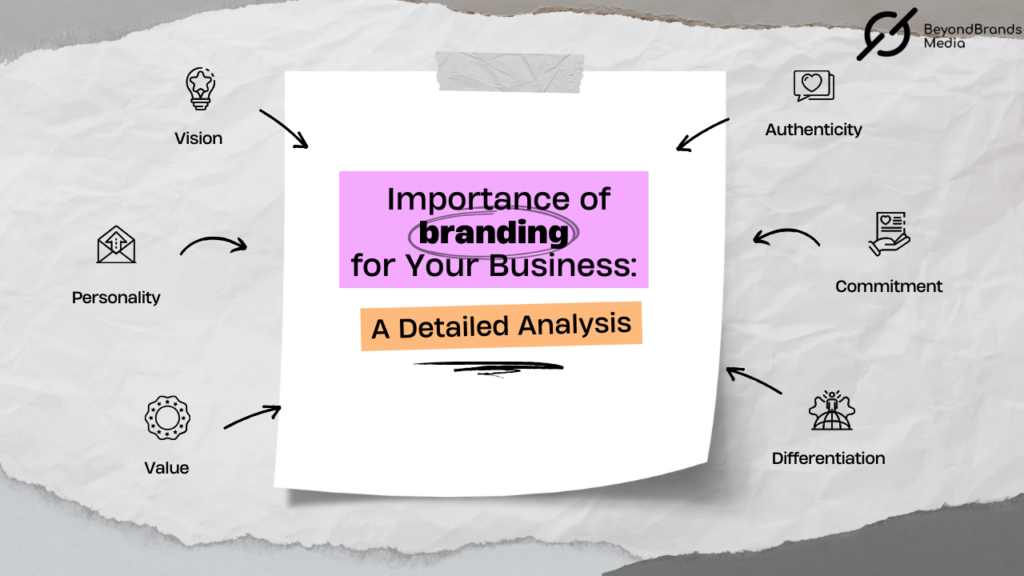
Importance of Branding for Your Business: A Detailed Analysis
Whether you are a newbie in the business landscape or a big name already, everyone understands the importance of branding and how it sets your business apart from the rest. Be it an individual or a company, everyone wants to be known and most importantly remembered for their unique identity or X factor. Branding has always been every business’s first priority, to create a legacy of their own that never fades away from the market. And now with easy access to social media platforms, the war between brands and branding gets challenging every day yet interesting how some are making the buzz with unique brand voices. Let’s understand the secret recipe to turn your business into a brand with the best branding agency in Bangalore. What is a Brand? Anything, starting from you, your idea, perspective, pets (credit goes to social media), and of course businesses and products and the list can go on. The simple mantra is how you present your idea, life, perspective, and products to your target audience, which they can relate to, and find intriguing and sets you apart from the crowd. It can be the logo, a particular color palette (i.e., Zomato’s iconic Red), or a tagline that instantly draws the gaze and becomes the ultimate ‘brand identity’. What is Branding? Branding is a strategic initiative and execution of ideas and errors to help a business stand out with a unique identity that the target audience can relate to. A lot goes into the process of creating a brand, starting with messages, design, content, visuals, colors, packaging, and even end services. Some businesses are celebrated for their exceptional customer service, turning them into a brand that customers recommend and highly approve of. Just the name is enough. However, creating the name is a challenge, which has become even more challenging with the popularity of social media. Understanding the Importance of Branding in Details: Branding is important. Let’s understand why. Builds Recognition: A strong brand makes your business instantly recognizable through its logo, colors, and overall design. Think of it as your business’s unique brand voice in a crowd. Creates Emotional Connections: Branding tells a story that resonates with the audience. It helps them feel aligned with your values and mission. For example, campaigns like Coca-Cola’s personalized bottles made customers feel seen and connected. Enhances Trust: A popular brand signals reliability and professionalism, which builds trust and encourages customers to choose you over competitors. Shapes Customer Perceptions: Your brand creates a perspective among customers, influencing how they view you and value your products or services. Boosts Customer Loyalty: A consistent brand identity nurtures loyalty by making customers feel familiar and comfortable with your brand, leading them to return again and again, keeping the trust intact for years. Sets You Apart: In a competitive market, branding is your secret sauce to differentiate yourself, making your business memorable and unique. Discover the power of branding for your business with BeyondBrand Media today. Facilitates Better Marketing: A clear brand identity ensures your marketing campaigns are cohesive and targeted, making them more effective. Empowers Employee Pride: Employees feel more connected and motivated when they are part of a business with a strong, inspiring brand. More people want to work for your brand and help in expanding your business and popularity. Drives Financial Value: A strong brand not only attracts customers but also increases the business’s valuation, appealing to investors. Keeps you Trend Relevant: A good brand evolves to stay relevant, ensuring its message aligns with current cultural values and consumer expectations, such as sustainability and inclusivity. Secret Sauce of a Successful Branding Strategy: Authenticity is everything, so focus on being genuine rather than trying to fit into a mold. Share your journey, struggles, and wins that connect your audience to your purpose. Your logo, colors, and design should feel like an extension of your brand’s soul. Choose elements that spark emotion and tell your story at first glance. Your brand’s tone should feel like a trusted friend. Let your messaging resonate with how your audience thinks and feels. Branding isn’t just about looking different; it’s about showing up the same way, every time. From your website to social media, ensure your identity stays the same and age-relevant to earn loyalty. Importance of Branding FAQ: Q1. What are the different types of branding in business? Branding in marketing includes personal branding, product branding, corporate branding, service branding, co-branding, geographical branding, cultural branding, retail branding, and online branding. Q2. What is the difference between branding and marketing? Branding defines your business’s identity, creating a lasting impression. Marketing promotes your products or services, using strategies to engage customers and drive sales. Q3. What are some branding best practices for SMBs? Some best practices for SMB are maintaining consistency in visuals and messaging, understanding target audiences, leveraging storytelling, and social media, and providing exceptional customer experiences. Q4. What are the three main purposes of branding? The three main purposes of branding are building trust, creating emotional connections, and increasing brand awareness to attract loyal customers.